ROBO
TITANS
Home
Home
Stats
Why Sponsor
Record
Team Building
Tiers
Donate
Our Sponsors
Our Team
Our Journey
Our Robot
Design Process
Sponsorship
Process
Our Design
Process.
1
Define
Defined challenges, requirements, and constraints
2
Brainstorm
Sketched, discussed, and analyzed each member's ideas
3
Test & Evaluate
Evaluated through a series of tests and collected data based on performance
4
Build
Built, 3D printed, and CNC'd our parts
5
Re-Design
Used data and shortcomings to reiterate and improve
Iterations
Robot
Versions.
Version 1
December — Qualifier 1
Strengths
▸
Very fast through take feeding
Weaknesses
▸
Rigid intake
▸
Rigid launcher
▸
No auto
Version 2
February — State Championship
Strengths
▸
Compliant intake
▸
Automated turret
▸
9 artifact auto
Weaknesses
▸
Poor launch accuracy
▸
Large, bulky chassis
▸
Cannot intake artifacts from the side
Version 3
April — World Championship
Strengths
▸
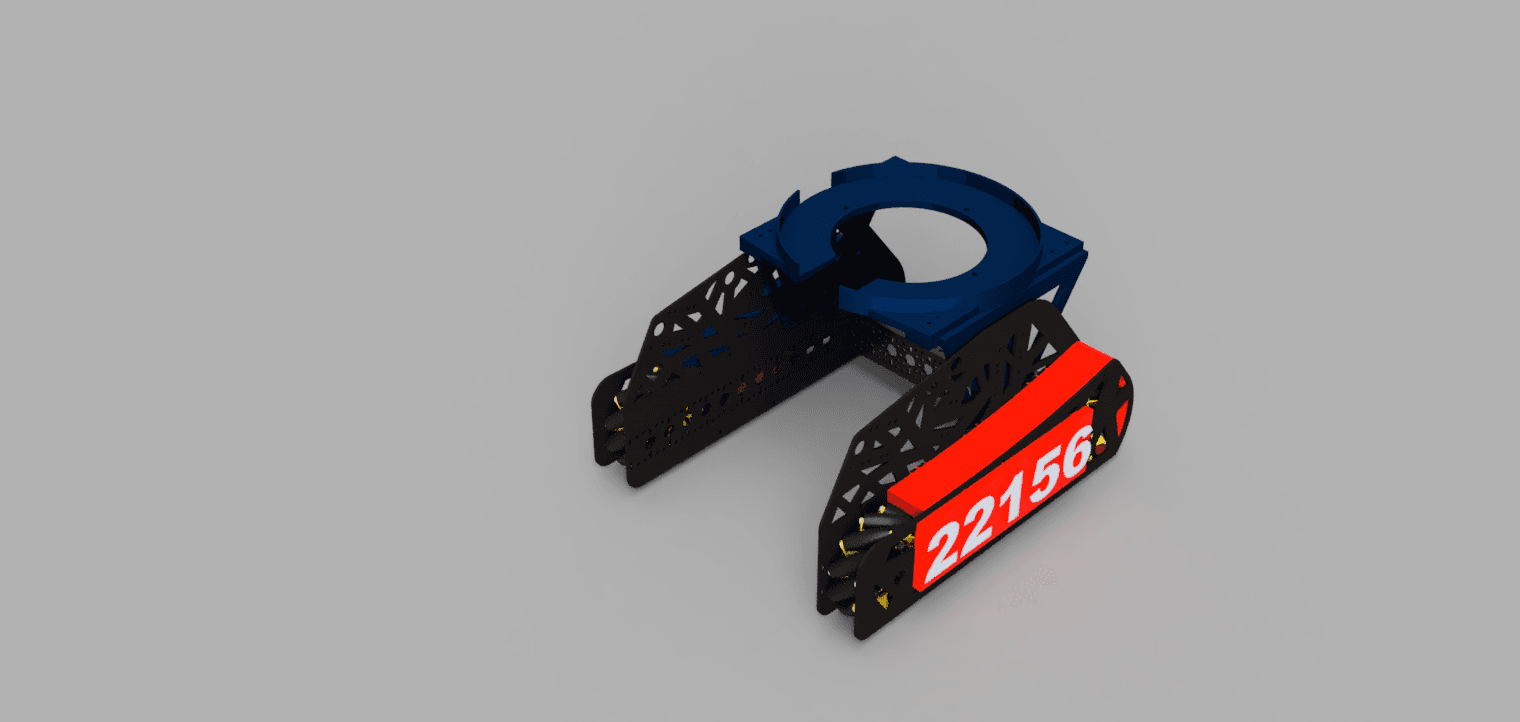
Slim, custom chassis
▸
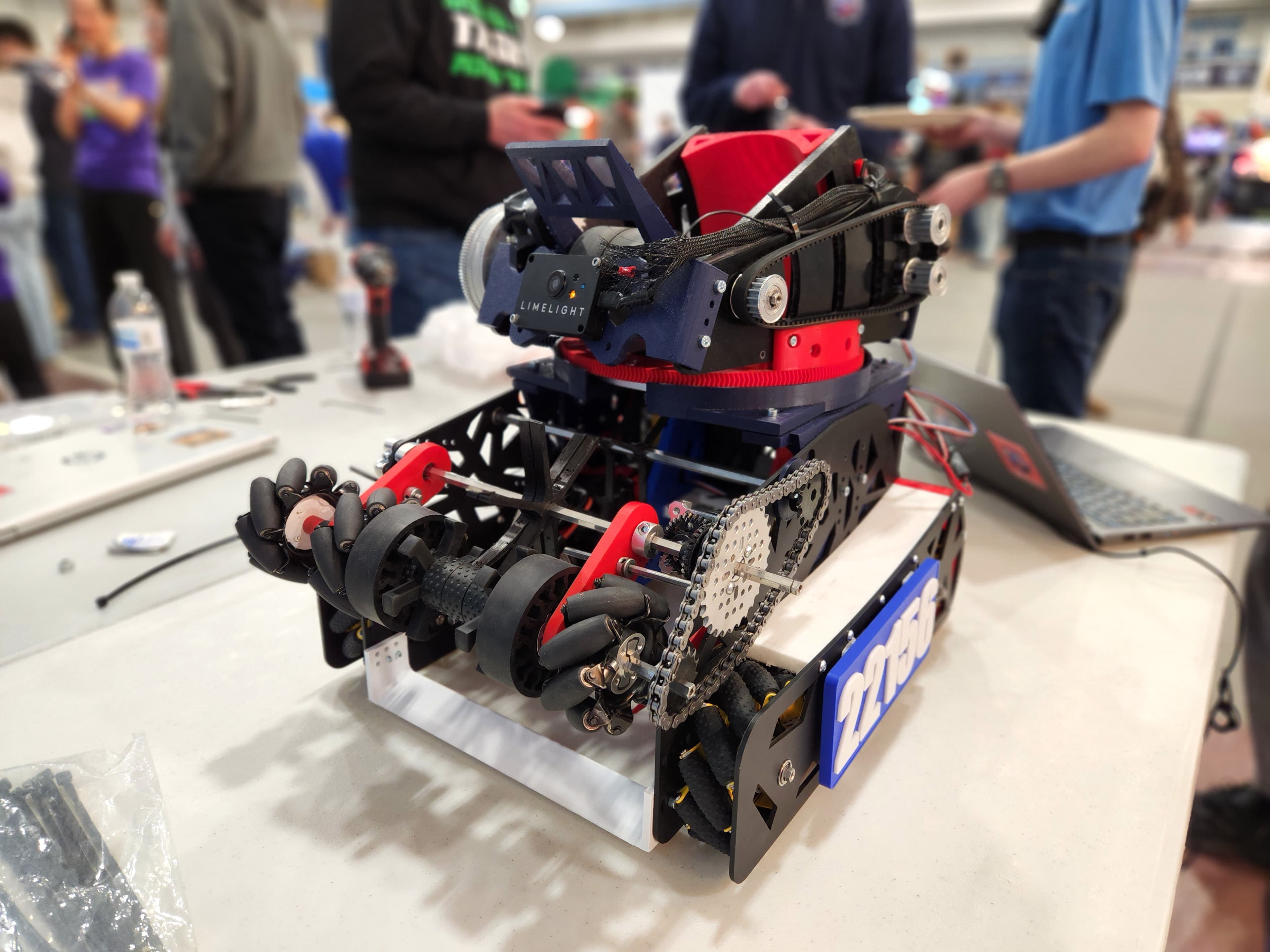
Vectored intake
▸
Improved accuracy through Limelight
Weaknesses
▸
Difficult wiring
The Result
Built to
compete.
Three iterations, countless hours, and one goal — a robot capable of competing on the world stage.
 ROBOTITANS